
Sheathing to Armouring: Various Configurations of Modern Cable
Cables used in modern electrical circuits are safer and perform better than the earlier forms. With these additions comes complexity in construction. Today, buyers are surrounded by numerous choices when selecting cables. The manufacturers of electrical systems, building contractors, electricians and homeowners all depend on reliable wires for their electrical needs. As trusted wire and cable manufacturers, we at Prime Cable make it simpler for our customers by explaining the various configurations of cables. whether it is a house wire, control cable or instrumentation cable.
Construction of Cables
A cable is built in layers, in which the conductor and insulation are not the only significant ones. Over time, various elements have been added, given the application requirements. Armoured sheet for strengthening the cable against abrasion, wear and preventing rodent attacks. A shielding layer is used to create a barrier between electromagnetic interference and the conductor carrying signals. Insulation for individual wires and overall cable is designed by the wire and cable manufacturers for control cables.
Sheathing for Outer Layer Protection
Sheathing layer acts as an insulating medium as well as a protective layer against environmental factors such as dust, heat, moisture, chemicals and microbes. PVC and XLPE are the common materials. XLPE is used in high end industrial and commercial sites, while PVC is common in house wiring.
Armouring Against Mechanical Forces
Armouring layer is extruded between the inner sheath and outer sheath of the cable. This protects the cable from breaking due to crushing, impact, rodent attacks, and accidental damage during operations.
GI Steel Strips
Galvanized steel strips are a common material for armouring a cable. These have excellent tensile strength and provide reliable mechanical protection for the multi-core cables.
Mylar Shielding Against Electrical Interference
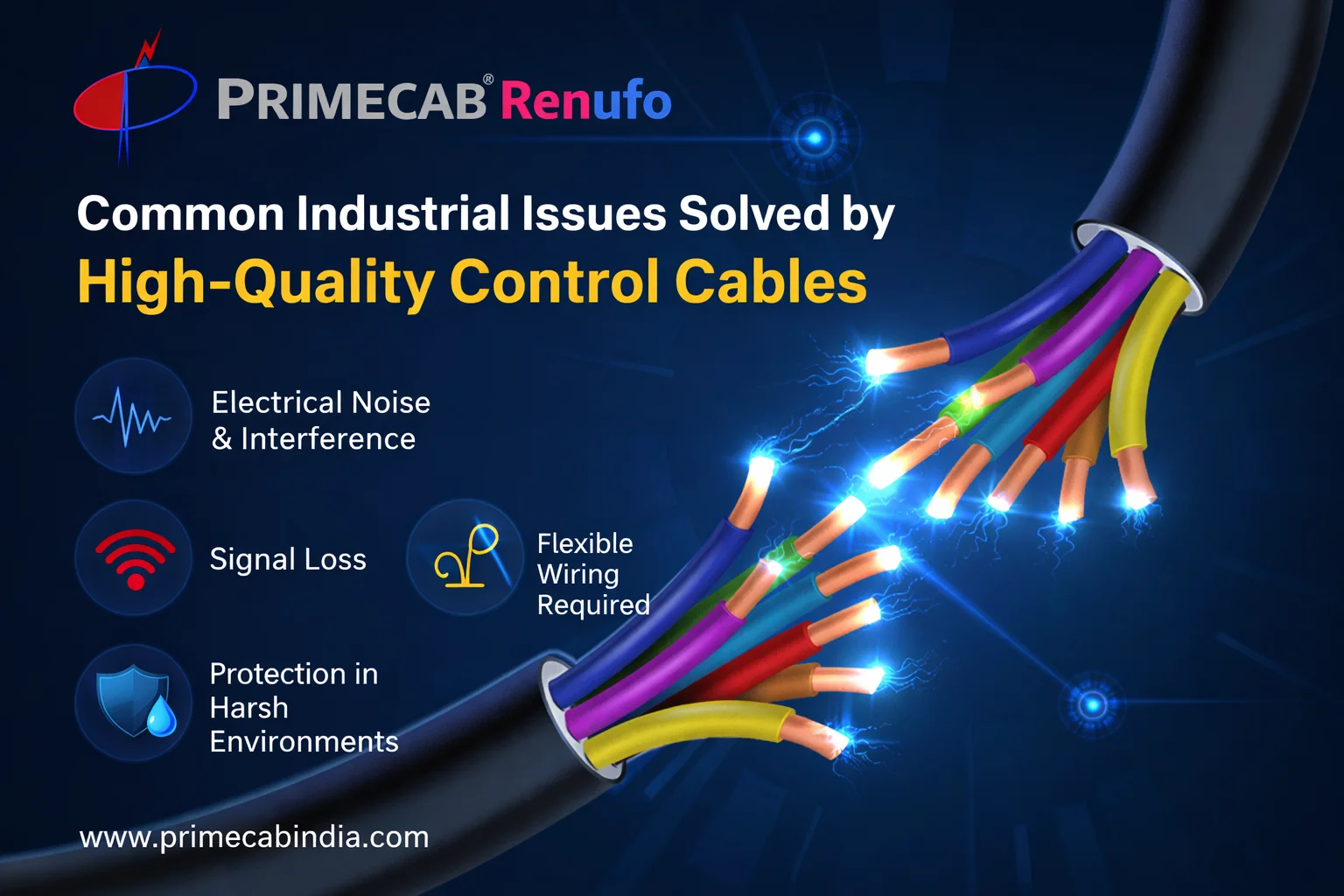
Instrumentation cables which are used for signal transmission, are often affected by electromagneti interferences. These interruptions affect the communication between machines. A Mylar tape acts as a barrier against these interferences. It improves signal integrity and minimizes transmission errors in electrically noisy environments. Mylar shielding is commonly used in:
- Instrumentation cables
- Data communication cables
- Control cables
- Audio and signal transmission systems
- Automation networks
Bare vs Tinned Copper
Copper is the most preferred conductor across the electrical cables. The surface treatments by wire and cable manufacturers differentiate the quality and configuration of copper conductors.
Bare: These are copper conductors which may or may not be annealed. They are highly effective in non-humid and non-corrosive environments.
Tinned: the addition of tin enhances the corrosion resistance of copper. It is especially useful in marine, chemical, and outdoor applications where the chances of corrosion of bare copper are high.
Conclusion
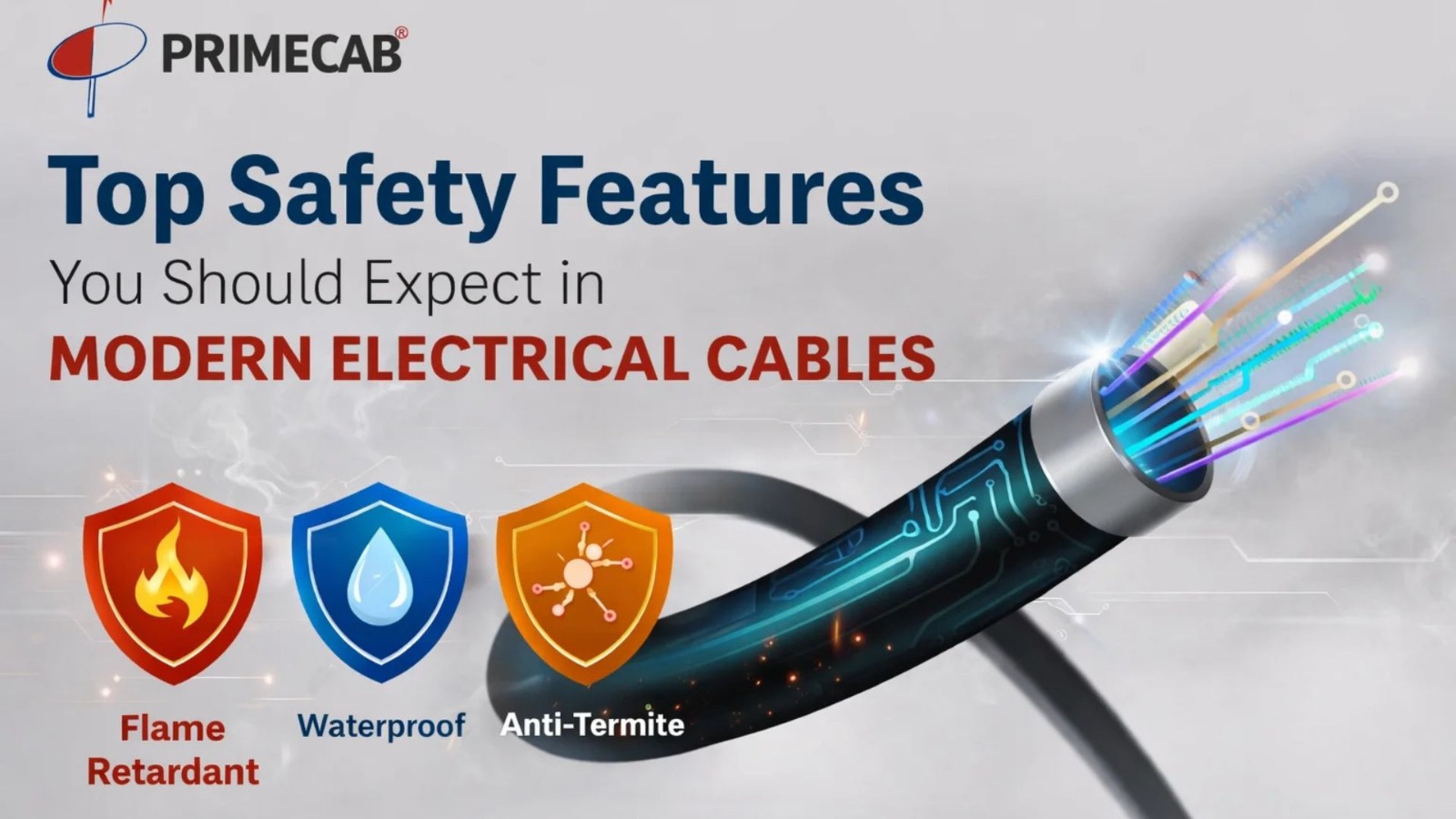
Modern cables are engineered with a broad number of features to ensure better safety, longevity and performance. Sheathing, armouring, tin addition, and shielding are some of the various methods to enhance the quality of cables. In addition to them, fire safety features, stranded and bunched wires are also widely used. The top wire and cable manufacturers meet the modern demands of residential and industrial electrical networks through these advanced features. Prime Cable Industries Limited is one such manufacturer that excels at delivering the best quality cables.